Hypnotherapy for Anxiety and Trauma
Helping adults overcome anxiety, emotional overwhelm and the lasting effects of difficult life experiences.
When anxiety feels hard to control
If you are experiencing anxiety, overthinking, panic, or emotional reactions that feel difficult to manage, these experiences are often driven by unconscious processes shaped by past experiences, which can make them difficult to shift alone.
For many people, this can feel overwhelming or even crippling, with anxiety that doesn’t seem to clear no matter what they try. As a result, everyday life can become restricted, with simple activities often avoided or experienced as highly uncomfortable, making normal day-to-day living feel out of reach.
Hypnotherapy works by accessing and changing these deeper unconscious responses, allowing your automatic emotional reactions to shift at their source and helping you move beyond the limitations they have been creating in daily life.

How hypnotherapy helps with anxiety and trauma
Rather than focusing only on the conscious mind, hypnotherapy works with deeper unconscious processes that influence how you respond emotionally. By addressing these at their origin, it allows automatic reactions to begin to change naturally over time.
In trauma work, we reduce the emotional charge linked to past experiences, whether a single traumatic event or long-term adversity such as difficult or harmful early life experiences.
This helps release the sense of being stuck in daily life, allowing greater freedom and personal agency to return.

Why clients work with me
My work combines extensive professional training in hypnotherapy, including advanced approaches such as Rapid Resolution Therapy®(RRT®), alongside lived experience of anxiety and PTSD.
This allows me to work with the deeper emotional patterns behind anxiety and trauma, rather than focusing only on surface-level coping strategies.

Common reasons people come to see me
Anxiety and Overwhelm
Ongoing anxiety, overthinking, panic or feeling constantly on edge.
Trauma and Emotional Responses
Strong emotional reactions linked to past experiences or stress patterns.
Self-Worth and Confidence
Self-doubt, people-pleasing or low confidence affecting life decisions.
Fears and Phobias
Specific fears that feel limiting or distressing.
Stress
Depression
Chronic fatigue
Insomnia
Trauma
Fertility
Addiction
Dependencies
Smoking
Anxiety
Burnout
Self-confidence
Snoring
Menopause
Preparing for birth
OCD
Cancer support
Sports performance
Panic attacks
Lack of energy
Phobia
Chronic pain
Endometriosis
Relationships
Sexuality
Skin problems

What to expect in a session
Each session is tailored to you: your experience, your needs, and what you’re looking to resolve.
We begin with a short conversation so I can understand what’s been happening for you and what you would like to change.
In most cases, we will have already had an introductory call, which helps set the direction for the session.
From there, I draw on a combination of approaches, including hypnotherapy, NLP (Neuro-Linguistic Programming), coaching tools, and Rapid Resolution Therapy® (RRT®). These are used flexibly, depending on what will be most helpful for you.
The work is designed to engage both conscious and unconscious processes, helping to shift the patterns that drive anxiety, emotional responses, and unwanted behaviours, rather than simply managing symptoms.
This supports changes in how you respond emotionally and how you relate to past experiences, allowing for greater calm, clarity, and a stronger sense of control and agency in your day-to-day life.
Sessions are designed to be effective and purposeful, with many clients experiencing meaningful change within a small number of sessions.
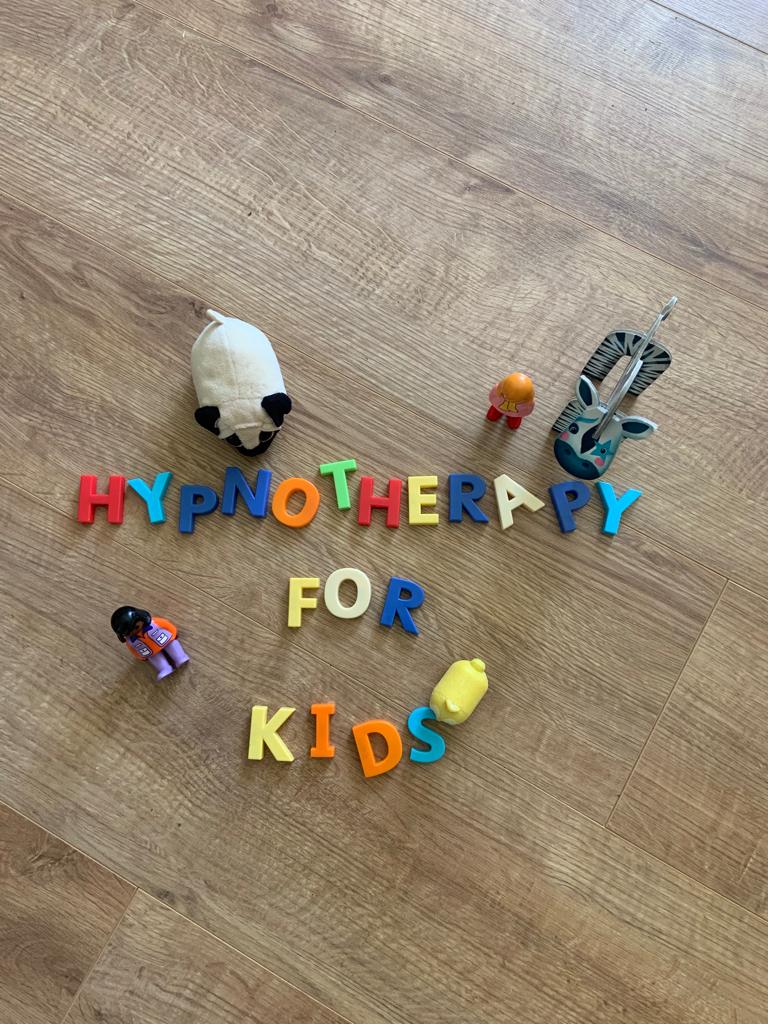
Children and teenagers
Many children and teenagers experience anxiety, fears, emotional overwhelm or responses that feel difficult for them or their parents to manage.
I offer online sessions to support young people through these experiences in a gentle and structured way, appropriate for their age, personality and emotional stage of development.
I have specialist training in working with children and teenagers, alongside my broader hypnotherapy training, and I hold an enhanced DBS check.
Sessions are always tailored to the individual and designed to feel comfortable, engaging and supportive in an online setting.
The first step is a free discovery call with a parent or carer. This allows us to talk through the situation, what you’ve been noticing, and whether my method feels suitable for your child.
Sessions use a combination of hypnotherapy, NLP (Neuro-Linguistic Programming), Rapid Resolution Therapy® (RRT®) and coaching tools, adapted to the child’s age and emotional stage. Interactive methods such as stories, imagery, drawing or movement may also be used where helpful.
It is important that the child or teenager is willing to take part in the process, rather than it being solely driven by a parent or carer’s concern.
Where appropriate, simple and supportive practices may be suggested between sessions to reinforce progress, and family involvement can also make a meaningful difference. In some cases, difficulties are influenced by wider family or environmental patterns, and addressing these holistically will support more lasting change.